doTERRA Serenity Softgels Review for Bedtime
An honest review of doTERRA Serenity softgels: how they fit into an evening wind-down, who they suit, and how they compare to the oil.
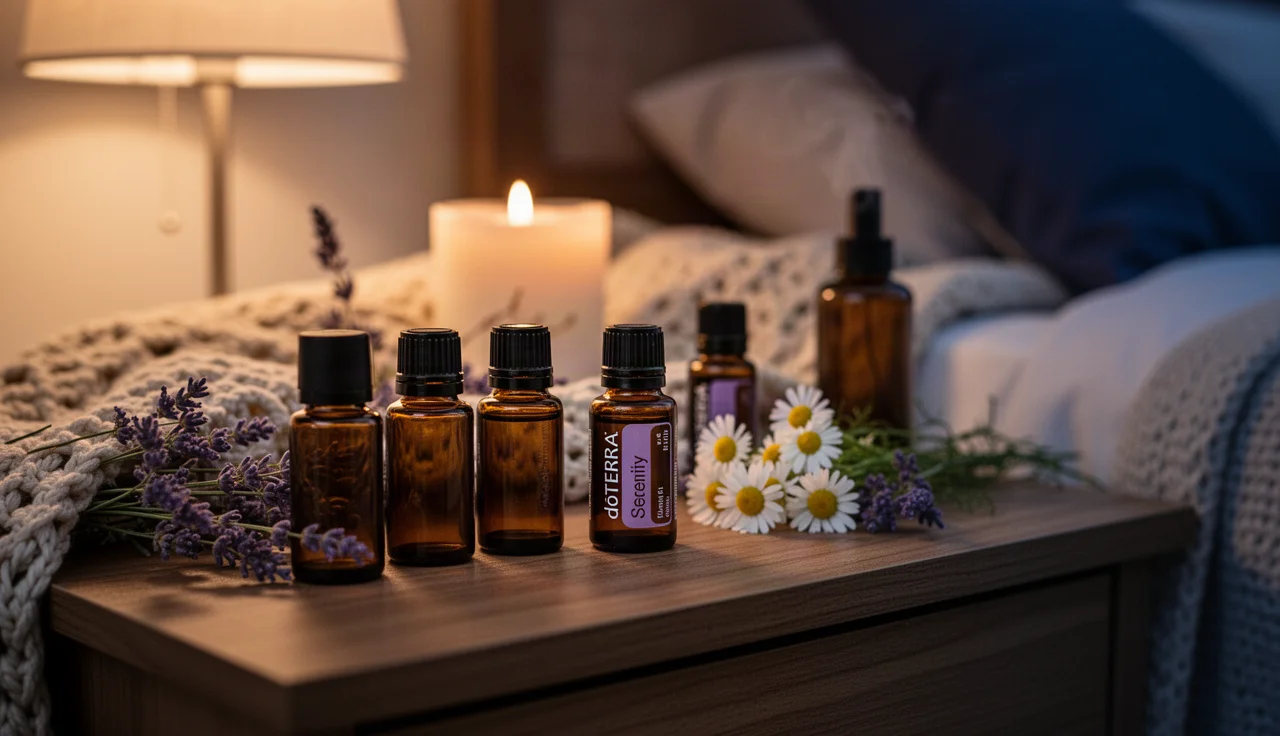
By the SleepResin Team, Evening rituals & doTERRA enthusiasts
You have probably stood in the kitchen at 10 p.m., kettle in hand, wondering if there is anything gentle enough to take the edge off a loud day without feeling groggy the next morning. The short answer: doTERRA Serenity softgels are a lavender-forward supplement designed to slot into a wind-down routine, not a quick fix. They combine lavender essential oil with L-Theanine and lemon balm in a softgel format, and in our experience they are best understood as one quiet layer of an evening ritual rather than a switch you flip. This review covers what is inside, how we use them, who they suit, and how they compare to the Serenity oil.
What Is Inside doTERRA Serenity Softgels
The softgels pair lavender essential oil with L-Theanine, an amino acid traditionally found in tea leaves, and lemon balm. The formula is plant-based and free from synthetic fillers, which fits the doTERRA approach of keeping things simple. The lavender used is Lavandula angustifolia, the sweet, classic lavender species most associated with calm evenings. The softgel format matters here: it delivers a consistent amount in a neutral-tasting capsule, so you avoid the strong botanical taste some people dislike with liquid oils.
What we recommend most often is taking one or two softgels about 30 to 45 minutes before you begin your wind-down, always following the label instructions. They are not a sleep aid in the medical sense, and we avoid framing them that way. Instead, think of them as a way to settle the atmosphere of your evening from the inside while your diffuser works the room from the outside.
Serenity Softgels vs. Serenity Oil: A Comparison
Many people ask whether they should choose the Serenity oil or the softgels. The honest answer is that they do different jobs and often work well together. Here is how they compare:
| Feature | Serenity Softgels | Serenity Oil |
|---|---|---|
| Format | Swallowable softgel | Aromatic oil for diffusion or dilution |
| Primary use | Internal wind-down support | Room atmosphere, bath, topical blend |
| Taste/smell | Neutral capsule | Floral, herbaceous scent |
| Timing | 30-45 minutes before bed | Can diffuse anytime in evening |
| Best for | People who dislike strong tastes | Creating a scented evening space |
Neither is objectively better. We have found that combining them works beautifully: a softgel with a glass of water while the diffuser runs Serenity in the bedroom creates a layered, consistent evening signal.
How to Use Serenity Softgels in an Evening Ritual
Here is the step-by-step way we suggest weaving them into a repeatable wind-down:
- Set the room first. About 45 minutes before bed, start your diffuser with 3 to 5 drops of Serenity or Lavender per 100 ml of water. Let the scent begin to fill the space before you take anything.
- Take the softgel with water. Follow the label dosage, typically one or two softgels, and drink a full glass of water. Avoid taking them with alcohol or heavy meals.
- Lower the lights. Switch to a warm lamp or candle. The visual shift matters as much as the aroma.
- Choose one calm activity. Reading, slow stretching, or a warm bath with Lavender Touch applied to wrists and shoulders. Skip screens and loud audio.
- Keep the ritual short and repeatable. Fifteen to twenty minutes is enough. The goal is consistency, not complexity.
We see the softgels as one piece of this sequence, not the whole sequence. The more often you repeat the same order of events, the more the evening starts to feel familiar and dependable.
Who Should Consider Serenity Softgels
These softgels suit adults who want a tasteless, convenient internal layer to their wind-down and already have realistic expectations. They are not for children, and they are not a substitute for addressing ongoing sleep difficulties with a doctor. People who are pregnant, nursing, or taking regular medication should always check with a healthcare professional first, as we note in every product discussion on this site.
If you prefer a purely aromatic approach, you might also explore Roman Chamomile, Vetiver Touch, or Balance in the diffuser. For a broader evening kit that bundles several calm staples, the Essentials Kit is worth a look, and the Peace Touch roll-on is a handy bedside addition. We previously covered the full bedtime routine in our doTERRA Serenity Softgels Review for Bedtime Routine guide, which goes deeper into timing and room setup.
Frequently Asked Questions
How are doTERRA Serenity softgels different from Serenity oil?
The softgels contain lavender, L-Theanine, and lemon balm in a swallowable capsule, while the oil is primarily aromatic and used in a diffuser or diluted for topical application. Many people use both together for a layered evening routine.
When should I take Serenity softgels?
Most people take one or two softgels about 30 to 45 minutes before beginning their wind-down, always following the label instructions and with a glass of water. They work best as part of a consistent routine rather than as an occasional quick fix.
Can I use Serenity softgels every night?
The label provides guidance, and for most adults a nightly wind-down use is common. However, if you have ongoing sleep difficulties or take regular medication, it is wise to speak with a healthcare professional rather than relying on any supplement long-term.
Conclusion
doTERRA Serenity softgels are a quiet, convenient layer for an evening wind-down, best paired with dim light, a calm activity, and a softly scented room. They are not a sleep remedy, and we would never position them as one. What they offer is a repeatable ritual anchor, and for many people that consistency is the real value.
See Serenity oil in the doTERRA shop
This content is for general information only and is not medical advice. Essential oils are not intended to diagnose, treat, cure, or prevent any disease; consult a qualified healthcare professional before use.