doTERRA Lavender vs Serenity for a Bedtime Diffuser
Lavender or Serenity in your bedtime diffuser? Compare scent, mood and routine, plus a simple step-by-step evening ritual to help you wind down.
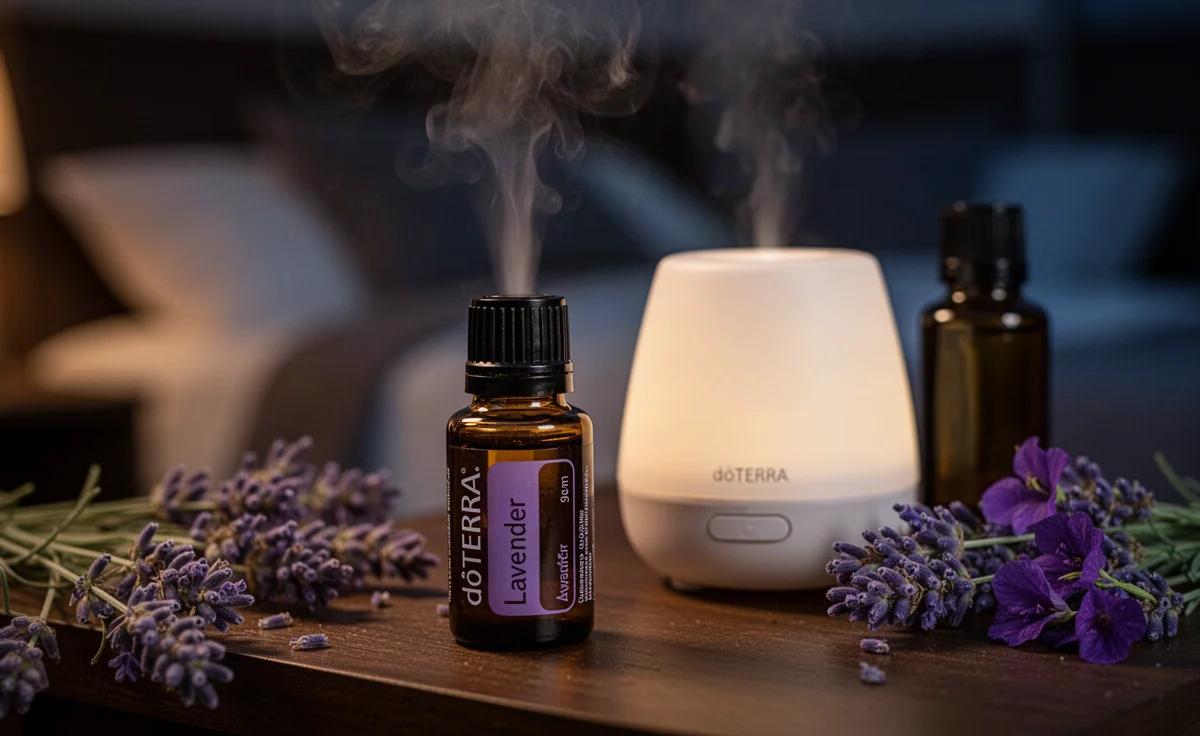
By the SleepResin Team — Evening rituals & doTERRA enthusiasts
Ever stood in your bedroom at 10 p.m., diffuser in hand, unsure which bottle to reach for? Here is the direct answer. Lavender is the classic: soft, floral, familiar, and easy to love if you want a gentle scent that signals the day is done. Serenity is a blend, so it smells rounder and warmer, with Lavender sitting alongside other calming aromas. In our experience, choose Lavender for simplicity and Serenity for a richer, cozier evening atmosphere. Neither is better in every case. What matters is a repeatable ritual: the same scent, the same time, the same dim light each night. If you want a deeper side-by-side, see our guide on doTERRA Serenity vs Lavender and the bedtime diffuser ritual.
How the two scents differ
Lavender is a single oil with a clean, herbal-floral character. Serenity is a blend that feels softer and more layered, closer to a warm room at dusk. Both support a calm, restful atmosphere when used as part of an evening routine.
| Feature | Lavender | Serenity |
|---|---|---|
| Type | Single oil | Blend |
| Scent | Fresh, floral, herbal | Warm, soft, rounded |
| Best for | Simple, familiar wind-down | Cozy, layered evening mood |
| Pairs well with | Cedarwood, Bergamot | Used on its own |
| Feel | Light and airy | Deep and comforting |
If you like to experiment, Lavender is the more flexible one. You can layer it with Cedarwood for a woodsy note, or with Bergamot for a brighter citrus lift. Serenity is already composed, so most people simply use it on its own.
Choosing by mood and bedroom
Think about the feeling you want when the lights go down.
- You want something classic and clean: Lavender is the safe, comforting choice.
- You want a cozier, more enveloping scent: Serenity tends to feel warmer.
- You like earthy, grounding notes: try Vetiver or Balance on alternate nights.
- You want a gentle floral variation: Roman Chamomile or Petitgrain add a softer twist.
- You are busy and want an all-in-one wind-down: Adaptiv is another option some people enjoy in the evening.
Small bedrooms usually call for fewer drops and a shorter session, since a scent can feel stronger in a compact space. For another angle on this same comparison, our piece on the evening diffuser ritual with Serenity and Lavender is worth a read.
A simple bedtime diffuser ritual
Keep it light and consistent. Here is the routine we recommend most often.
- Set a time. Start about 30 minutes before you plan to be in bed.
- Prepare the room. Open a window briefly to air it out, then close it.
- Fill the diffuser. Use the water line your diffuser indicates and add 3 drops of your chosen oil per 100 ml of water.
- Run it in short sessions. Aim for roughly 30 minutes, then switch it off rather than leaving it on all night.
- Dim the lights. Lower the lamps and put screens away.
- Add a quiet habit. Read a few pages, sip a warm herbal tea, or take five slow breaths.
- Repeat nightly. A familiar scent paired with the same steps becomes a cue that the day is winding down.
A reusable diffuser and a couple of oils go a long way. If you are starting from scratch, a starter bundle such as the Aroma Essentials Collection can be a convenient way to explore several scents. Citrus oils like Wild Orange also make a pleasant daytime counterpart, so your evening scent feels distinct.
For general background on sleep habits, the National Institutes of Health offers broad, trustworthy resources on healthy routines.
Placement and diffusion tips most people skip
Where you put the diffuser changes the ritual more than which bottle you choose. A diffuser on a high shelf scents the air slowly and evenly, but a diffuser on a nightstand delivers the aroma closer to your pillow, which can feel more intimate as you read or breathe before sleep. Avoid placing the unit directly under a window, near an air vent, or beside a door that opens often — drafts scatter the mist and thin the scent before it can settle.
A common mistake is adding more drops when the scent feels weak. The issue is often not the oil count but the diffuser itself. Clean the water reservoir weekly, use fresh room-temperature water, and check that the mist output is not partially blocked. A well-maintained diffuser with 3 drops often outperforms a dirty one with 6.
If you want the scent to linger after the session ends, diffuse for 15 minutes, then place a few drops of the same oil on a cotton pad or wooden clothespin near the bed frame — not on the sheets, which can stain and overwhelm. For shared bedrooms, ask your partner which scent they notice less, not more; a scent that feels calm to you might read as “grandma’s soap” to them. Try the other bottle for two nights and compare how quickly each of you settles.
Building a two-scent weekly rotation without confusing your brain
Using the same scent every night is effective, but a two-night rotation can prevent scent fatigue — the effect where a familiar aroma stops registering because your nose has adapted. Lavender and Serenity pair well for this pattern. Try three nights of Lavender, then two nights of Serenity, then repeat. Keep the timing, lighting, and quiet activity identical so the ritual stays recognizable even when the aroma shifts.
To track what works, keep a simple note on your phone for one week. Note which oil you diffused, how long before bed you started, how you felt in the first ten minutes, and whether you woke at night. You do not need a journal — just a line like “Mon: Serenity, 20 min, felt heavy, woke once at 3 a.m.” Over five to seven days, patterns emerge. Some people find Lavender helps them fall asleep faster but Serenity keeps them asleep longer. Others notice the reverse. The data beats guessing.
Finally, resist the urge to add more oils mid-week. A rotation of two is enough to compare. Adding a third or fourth scent before you understand the first two turns the ritual into a perfume counter and weakens the cue your brain relies on to begin winding down.
Related reading
- doTERRA Serenity vs Lavender, Bedtime Diffuser Ritual
- Serenity vs Roman Chamomile for a Calm Bedroom
FAQ
Can I use Lavender and Serenity together in the same diffuser? You can, and some people enjoy the mix of a clean floral note with a warmer blend. Start with a small amount of each so neither overwhelms the room, and adjust to your taste over a few evenings.
How long should I run a bedtime diffuser? Most people find about 30 minutes before bed is plenty. Running it in short sessions keeps the scent pleasant instead of heavy, and it is easy to switch off before you settle in.
Is it safe to diffuse around pets or children? Keep the room well aired, use short sessions, and let the little ones and animals leave the space freely. Follow the product label, and ask your veterinarian or pediatrician if you have any concerns about your household.
Conclusion
Lavender is the simple, familiar choice, while Serenity offers a warmer, more layered evening scent. Pick the one that feels like the end of your day, then repeat it nightly so the ritual does the heavy lifting.
See Lavender in the doTERRA shop
This content is for general information only and is not medical advice. Essential oils are not intended to diagnose, treat, cure, or prevent any disease; consult a qualified healthcare professional before use.